
Executive Coaching
For founders, executives and leaders
Generally, the people who come to me are doing amazing things. But they are also carrying more than their fair share of stuff.
Some are neurodivergent, some are not.
Some work with me online, some with nature here in the Ashdown Forest and some a mixture of both.
My gift is getting beneath the polished surface of high-performing people.
I build deep trust quickly, hear what is said and unsaid and challenge with enough care that people can face the tough stuff without collapsing under it.
That is where people start to think more clearly, trust themselves more deeply, and lead in a way that actually works.
What might bring you to coaching?
You may be:
stepping into a bigger role or carrying more responsibility;
facing a difficult decision or period of change;
successful on paper but exhausted, stuck or quietly questioning what comes next;
struggling with confidence, boundaries or difficult relationships;
trying to lead well without continually running yourself into the ground;
exploring what neurodivergence means - or could mean - for the way you work, lead and live;
making sense of a late diagnosis;
moving towards a board role, portfolio career or a different version of success;
aware that the same patterns keep showing up, however hard you try to think your way out of them.
Sometimes people arrive with a very clear goal. Sometimes they simply know that something is not quite working.
Both are perfectly good places to start.
Executive Coaching
I work with leaders on the immediate challenges in front of them, but we rarely stop there.
A difficult colleague may lead us into how you deal with conflict. A confidence issue may reveal years of overcompensating. A question about your next role may become a much bigger conversation about identity, ambition and what you actually want from your life.
We might work on leadership presence, communication, decision-making, relationships, confidence, boundaries, resilience or career direction. We may also explore the patterns and experiences sitting underneath them.
My coaching is practical, but it is not surface level.
The purpose is not endless self-analysis. It is greater understanding, more choice and meaningful change.
Executive coaching with a neuro-affirming lens
I am neurodivergent and was diagnosed later in life.
For much of my career, I had no language for why I could be highly creative, intuitive and commercially effective while finding some apparently simple things unusually difficult or exhausting.
Late diagnosis helped me understand both the strengths I had built my career around and the amount of masking, coping and overworking happening underneath them.
That lived experience informs my work, but I will never assume that your experience is the same as mine.
Neurodiversity coaching might involve:
understanding your strengths and pressure points;
exploring masking, overwhelm and burnout;
rebuilding confidence following diagnosis;
finding ways of working that suit your brain;
preparing for conversations about adjustments;
understanding communication, emotional regulation or rejection sensitivity;
separating genuine development needs from pressure to conform;
looking back at your career and experiences through a different lens.
It can also create space to explore belonging: where you feel able to be fully yourself, where you are working hard to fit in, and what that is costing you.
The aim is not to fix you or make you better at performing someone else’s version of professionalism.
It is to understand yourself more fully and find ways of working, leading and belonging that are effective and sustainable without editing out important parts of who you are.

Ways to work with me
One-to-one coaching programmes
Most clients work with me over a series of sessions online, in person or both.
This gives us time to address what is happening now, notice the patterns beneath it and support lasting change rather than delivering a temporary motivational boost.
The structure is shaped around you and your goals.
Coaching with nature
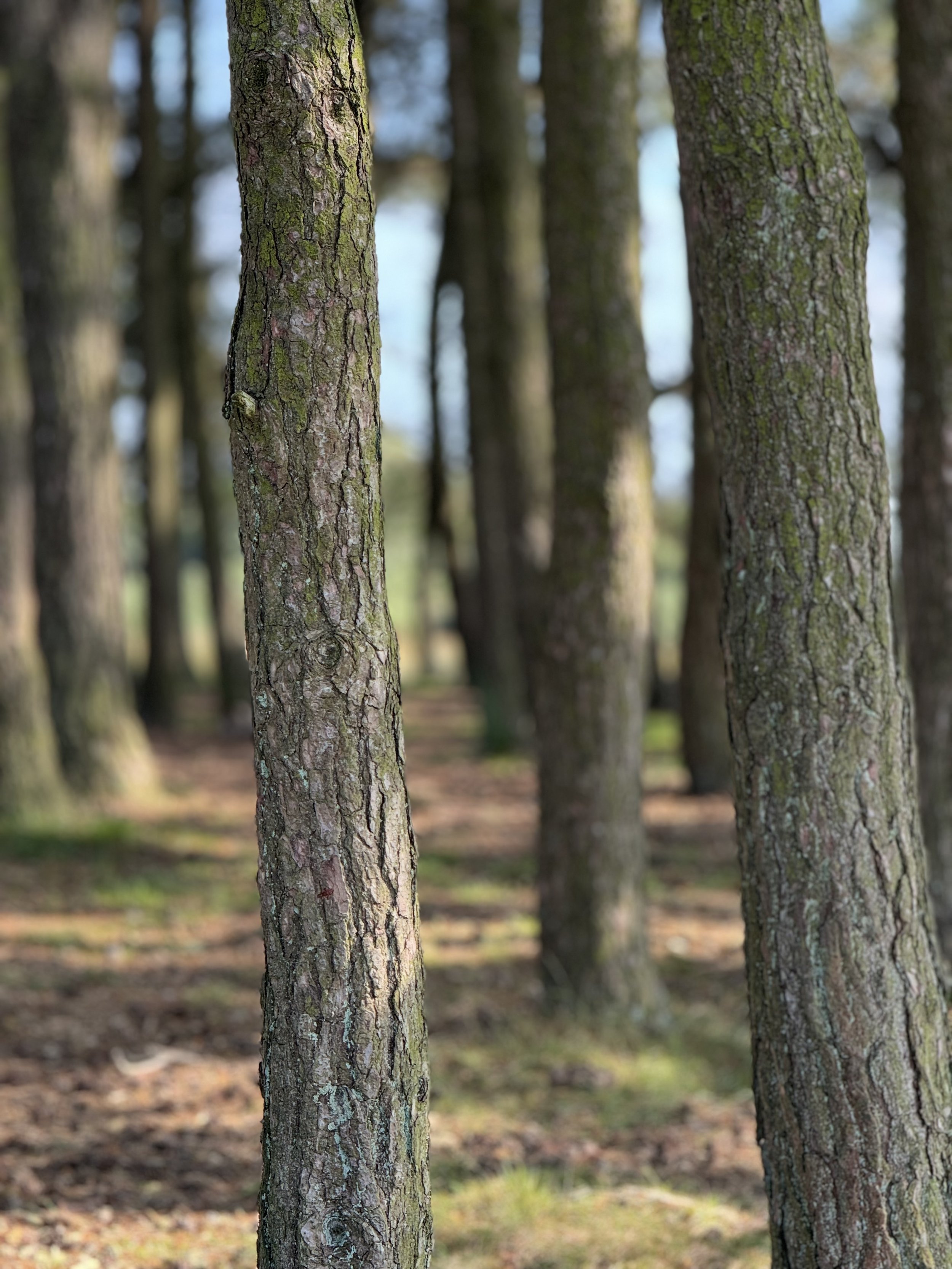
Some clients work with me while walking on the Ashdown Forest. Others walk where they are and speak to me by phone.
Movement and connection with nature can reduce the intensity of sitting opposite another person, help the nervous system settle and allow different thoughts to emerge.
Ashdown Forest Retreat
Most of my coaching programmes begin with some face-to-face work at my purpose-built retreat here in the Ashdown Forest (East Sussex).
Starting away from the usual noise gives us time to build trust, understand what is really going on and create a strong foundation for the work that follows. We might coach in the retreat, walk with nature on the Forest or use a mixture of both.
Some leaders come for a standalone retreat because they need concentrated time to work through a particular challenge, decision or transition.
Others return throughout an ongoing coaching relationship. Some visit in each season, using the changing landscape as a marker for their own progress. Some stay for a few hours, others for several days - and most, quite understandably, never really want to leave.
Each retreat is shaped around what you need. It may include extended coaching, guided reflection, time with nature, space to rest and think, and carefully chosen activities or treatments.
The aim is not to fill every minute. It is to create enough time and space for something useful to shift.
What working with me is like
I am professionally trained to coach, listen and create space for you to find your own answers.
I also have decades of commercial and leadership experience. Before becoming a coach, I founded and exited my own consultancy and later held Chief Commercial Officer and board-level roles in a global business.
So I understand the theory, but I also understand the reality: pressure, politics, growth, difficult people and being expected to know what you are doing while quietly working it out.
I will not tell you how to run your life. I will offer honest observations, ask questions that may be difficult to avoid and challenge you when it is useful.
Clients tell me I bring warmth, depth, intuition and enough humour to stop the whole thing becoming unbearably worthy.
Coaching that works for you
Coaching can be adapted around different access, communication, sensory and processing needs. Sessions can take place online, by phone, walking outdoors or in person, with alternative accessible locations available where needed.
You do not need to disclose a diagnosis to ask for an adjustment or a different way of working.
What can change?
Coaching will not remove every awkward board meeting, impossible decision or irritating colleague from your life.
It can help you meet them with greater clarity, confidence and choice.
Clients often find themselves:
trusting their own judgement more;
making clearer decisions;
communicating more directly;
understanding what drives their reactions;
setting stronger boundaries;
using their strengths more intentionally;
finding more sustainable ways to work;
feeling less controlled by pressure and other people’s expectations;
clearer about what they want next.
Good coaching does not create a shiny new leadership persona. As one of my wonderful clients once said “Coaching has helped me do more with much less effort”.
It helps you become more able to lead and live as yourself.

Practical details
Coaching is available online, face-to-face at Ashdown Forest Retreat, while walking with nature on the Forest, or by phone while you walk wherever you are.
You can fund coaching personally or through your employer.
Where an organisation is paying, we agree clear boundaries around confidentiality and any reporting before coaching begins.
Start with a conversation
You do not need to know exactly what kind of coaching you need before getting in touch.
We can talk about what is happening, what you would like to be different and whether working together feels like the right fit.